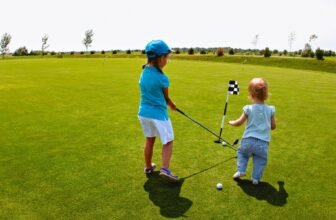
When it comes to teaching your child golf, you might find yourself torn between structured lessons and learning at home. Each option has its own merits and drawbacks, which can significantly influence your child’s progress and enjoyment of the game. Understanding these aspects can help you make the right choice for your young golfer. So, what should you consider before deciding on the best approach?
Benefits of Structured Junior Golf Lessons
When you choose structured junior golf lessons, you’re giving your child a solid foundation in the sport. These lessons provide expert instruction from certified coaches who focus on proper techniques and skills.
Your child will benefit from a curriculum designed to progress their abilities, ensuring they learn at an appropriate pace.
Additionally, structured lessons foster discipline and commitment, teaching your child the importance of practice and perseverance.
They’ll also enjoy the social aspect, making friends with peers who share their passion for golf.
Finally, regular feedback from instructors helps your child improve quickly, as they can address weaknesses and highlight strengths.
This structured approach sets them up for long-term success and enjoyment in the game of golf.
Advantages of Learning Golf at Home
Learning golf at home offers flexibility and convenience that structured lessons may not provide. You can practice whenever it suits your schedule, whether it’s early morning or late afternoon.
This approach allows you to focus on specific skills or areas where you want improvement, tailoring your practice sessions to your personal needs. Plus, you won’t have to worry about commuting to a golf course or fitting into someone else’s timetable.
You can also create a comfortable environment, utilizing resources like online tutorials or instructional videos to enhance your learning experience. With the freedom to experiment and play at your own pace, you can cultivate a genuine love for the game that structured lessons mightn’t foster.
Challenges of Each Approach
While both junior golf lessons and learning at home have their unique benefits, each approach comes with its own set of challenges that can impact a player’s development.
In structured lessons, you might face scheduling conflicts or find it tough to keep up with the pace of instruction. Additionally, the cost can be a barrier for many families.
On the other hand, learning at home may lead to inconsistent practice and a lack of expert guidance, which can result in the development of bad habits. You might also struggle with motivation without a coach’s encouragement.
Balancing these challenges is essential to ensure your child’s growth in golf, regardless of the chosen method.
Factors to Consider When Making a Choice
Considering the challenges associated with both structured lessons and self-directed practice can help you make an informed decision about your child’s golf education.
First, think about your child’s learning style. Do they thrive in a structured environment, or do they prefer exploring at their own pace?
Next, assess your budget. Professional lessons can be costly, while practicing at home may save money but requires commitment.
Also, consider your child’s age and experience level; younger beginners might benefit more from guidance.
Finally, evaluate your availability. Can you consistently support their practice, or would a coach provide the necessary dedication?
Balancing these factors will empower you to choose the right approach for your child’s golfing journey.
Frequently Asked Questions
How Much Do Junior Golf Lessons Typically Cost?
Junior golf lessons typically cost between $30 to $100 per hour, depending on the instructor’s experience and location. You might find package deals that lower the per-lesson price, making it more affordable overall.
What Age Is Best to Start Junior Golf Lessons?
You can start junior golf lessons as early as age 5 or 6. At this age, kids can grasp the basics and develop a love for the game, setting a strong foundation for future improvement.
Are Online Golf Tutorials Effective for Beginners?
Yes, online golf tutorials can be effective for beginners. They offer flexibility and a variety of techniques. You can learn at your own pace, but combining them with practical practice will enhance your skills even more.
How Can Parents Support Learning Golf at Home?
You can support learning golf at home by providing access to online tutorials, setting up practice sessions, encouraging regular play, and discussing techniques. Your involvement and enthusiasm will motivate your child to improve their skills.
What Equipment Is Necessary for Home Golf Practice?
You’ll need a few essential items for home golf practice: a set of clubs, golf balls, a putting mat, alignment sticks, and a practice net. These tools help you improve your skills effectively.
Conclusion
In deciding between junior golf lessons and learning at home, it’s essential to weigh the benefits of each approach. Structured lessons offer expert guidance and social interaction, while home practice provides flexibility and personalized focus. Consider your child’s learning style, motivation, and available resources to find the best fit. Combining both methods can create a well-rounded experience, nurturing your child’s passion for golf while helping them develop their skills effectively.